
by Tejasvit Kour | Jul 7, 2014 | Back Pain
This article is part 2 of a 2 part series. For part 1, Click Here. Low back pain (LBP), as previously stated, will affect most (if not all) of us at some point in time. Knowing what to do when the warning signs occur is essential to avoiding a disabling level of LBP....

by Tejasvit Kour | Jul 6, 2014 | Advanced
The nervous system can be categorized in many different ways. In understanding nervous system physiology, a simple but accurate way of categorization is to view the nervous system as two separate but integrated systems: The MOTOR nerve system The SENSORY nerve system...

by Tejasvit Kour | Jul 5, 2014 | Whiplash
Whiplash injuries are most commonly associated with motor vehicle collisions (MVC), although they can happen from anything that results in a sudden movement of the head—from slip and fall injuries, carnival rides, sports-related injuries, and more. When associated...

by Tejasvit Kour | Jul 4, 2014 | Fibromyalgia
Fibromyalgia (FM) is now considered a central nervous system (CNS) disorder rather than a musculoskeletal condition. FM is managed best from a balance of different approaches including chiropractic adjustments, soft tissue therapies, modalities, exercise, diet,...

by Tejasvit Kour | Jul 3, 2014 | Carpal Tunnel Syndrome
Carpal tunnel syndrome (CTS) can arise as a result of a number of different causes and as such, treatment is guided by the specific needs of the individual and tailored to each individual case. With that said, there are specific treatment strategies that chiropractors...

by Tejasvit Kour | Jul 2, 2014 | Headaches
Headaches (HA) can significantly alter a person’s quality of life. Moreover, they can interfere and sometimes even prevent an individual from performing important activities such as going to work, attending school, or participating in group activities such as sports,...

by Tejasvit Kour | Jul 1, 2014 | Back Pain
Low back pain (LBP) will most likely strike all of us at some point , at least that’s what the statistics indicate. How we “deal with it” initially can be critical to its progression or cessation. Here are some “highlights” of what to do “WHEN” this happens to you....

by Tejasvit Kour | Jun 8, 2014 | Advanced
The Numbers Low back pain is one of the most thoroughly investigated health problems worldwide, yet both prevention and effective treatment are elusive and controversial. The National Library of Medicine of the United States displays nearly 25,000 articles when the...
by Tejasvit Kour | Jun 7, 2014 | Whiplash
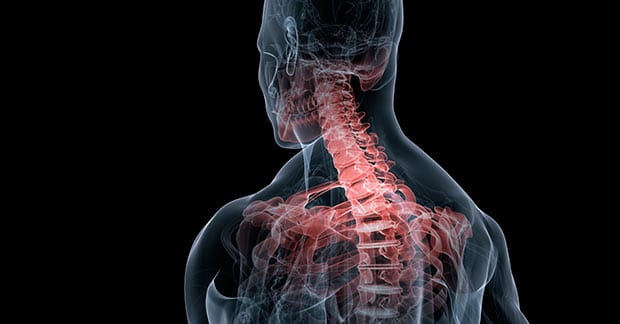
Last month, we started the discussion of self-care options in the management of whiplash or CAD (cervical acceleration-deceleration) or WAD (whiplash associated disorders). In this series, we are describing various treatment methods that you can be taught to help...

by Tejasvit Kour | Jun 6, 2014 | Fibromyalgia
Fibromyalgia (FM) is one of the most common types of chronic pain disorders with an estimated five million sufferers in the United States alone. A “hallmark” of FM is the difficulty its sufferers have in describing their symptoms. When asked, “…what type of pain do...