
by Tejasvit Kour | Mar 1, 2017 | Back Pain
In 2008, a study published in the journal Spine sought to identify EARLY PREDICTORS in an effort to reduce the number of low back pain (LBP) patients who go on to experience long-term disability. Researchers followed 1,885 low back injury claimants for a year and then...

by Tejasvit Kour | Feb 7, 2017 | Neck Pain
Let’s first look at the anatomy of the neck in order to better understand the structures of the cervical spine that can generate pain. Starting at the back of the spine, the facet joints allow us to move our neck and head in all directions, and each facet joint is...

by Tejasvit Kour | Feb 6, 2017 | Carpal Tunnel Syndrome
Carpal tunnel syndrome (CTS) is a condition caused when pressure is applied to the median nerve as it passes through the wrist. When playing a musical instrument, especially for hours at a time for several days in a row, the fast repetitive movements of the fingers...
by Tejasvit Kour | Feb 5, 2017 | Joint Pain
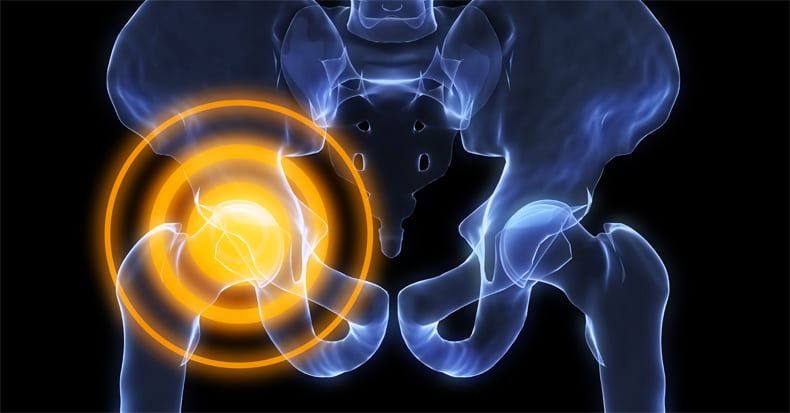
One of the structures that is frequently blamed for hip pain is called the labrum—the rubbery tissue that surrounds the socket helping to stabilize the hip joint. This tissue often wears and tears with age, but it can also be torn as a result of a trauma or...

by Tejasvit Kour | Feb 4, 2017 | Whiplash
Posture assessment is a key component of the chiropractic examination, and the posture of the head and neck is especially important for a patient recovering from a whiplash injury. Forward head carriage describes a state in which the head sits more forward on the...

by Tejasvit Kour | Feb 3, 2017 | Whole Body Health
High-intensity interval training (HIIT) is characterized by 30-60 second bouts of high-intensity output followed by a very low-intensity exercise (like walking or slow pedaling) which allows one’s heart rate and breathing to recover before the next high-intensity...

by Tejasvit Kour | Feb 2, 2017 | Advanced
All healthcare disciplines are associated with risks of injury or death. Rare but sensational occurrences are often exploited by the media, leading the public to believe that rare events are commonplace. In contrast, common occurrences are often under reported,...
by Tejasvit Kour | Feb 1, 2017 | Back Pain
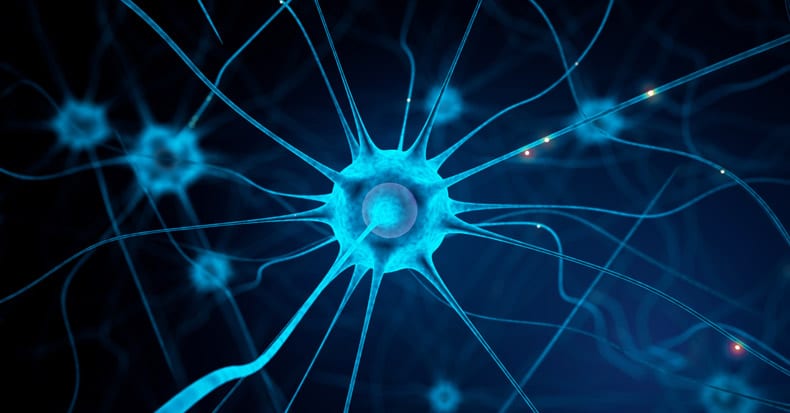
Previously, we discussed how herniated disks can resorb all by themselves, especially large herniated disks. But what about a damaged nerve—can it self-repair too? First, it’s important to realize that damage can occur when enough pressure is applied to any living...

by Tejasvit Kour | Jan 12, 2017 | Neck Pain
Cervical spondylosis (CS) is another term for osteoarthritis (OA) of the neck. It is a common, age-related condition that you will probably develop if you live long enough. Or, if you suffered a neck injury as a youth, it can develop within five to ten years of the...

by Tejasvit Kour | Jan 11, 2017 | Carpal Tunnel Syndrome
Carpal tunnel syndrome (CTS) can be an extremely painful and activity-limiting condition. It affects many people of all ages and genders, though women are affected more often than men. But how do you know if what you are suffering from is truly CTS or if it’s another...